
Understanding the Meaning of Forex Trading
Forex trading, also known as currency trading or foreign exchange trading, is the process of exchanging one currency for another in the hope of making a profit. It is the largest financial market in the world, with a daily trading volume of over $6 trillion. Traders participate in the Forex market to speculate on the price movements of currencies, making it vital for international trade, investment, and travel. It is important to find reliable partners in this field, and you can learn more about it with forex trading meaning Argentina Brokers.
The Basics of Forex Trading
The Forex market operates 24 hours a day, five days a week, allowing traders to buy and sell currencies at any time. Unlike stock markets, which are open for limited hours, Forex market participants can trade whenever they want. This flexibility attracts a wide range of participants, from individual retail traders to large financial institutions and corporations.
Currency Pairs
In Forex trading, currencies are traded in pairs, such as EUR/USD (the Euro against the US Dollar) or GBP/JPY (the British Pound against the Japanese Yen). The first currency in the pair is known as the base currency, while the second is the quote currency. The price of a currency pair indicates how much of the quote currency is needed to purchase one unit of the base currency. For instance, if the EUR/USD pair is trading at 1.20, it means that 1 Euro can be exchanged for 1.20 US Dollars.
How Forex Trading Works
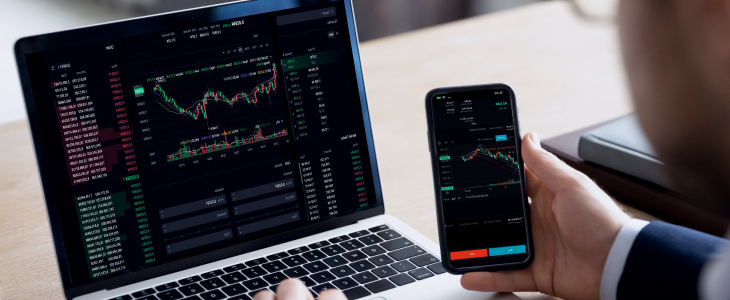
The Forex market operates through a decentralized network of banks, brokers, and financial institutions, allowing them to trade currencies directly. Traders can access the market through online platforms provided by brokers. They can analyze market trends, utilize trading strategies, and place orders to buy or sell currency pairs.
Why Engage in Forex Trading?
Forex trading offers numerous advantages, making it an attractive option for traders worldwide. Some of these advantages include:
- High Liquidity: The Forex market is highly liquid, meaning that traders can enter and exit positions quickly with minimal price slippage.
- Leverage Opportunities: Traders can utilize leverage to increase their exposure to the market without committing large amounts of capital. This means that they can control larger positions with smaller investments.
- Access to Global Markets: The Forex market provides access to various currency pairs from around the world, allowing traders to participate in international markets.
Risks Involved in Forex Trading
While Forex trading can be highly profitable, it is not without its risks. Traders need to be aware of potential pitfalls, including:
- Market Volatility: Currency prices can be volatile, which means that sudden price movements can lead to significant losses.
- Leverage Risks: Trading with high leverage can amplify both gains and losses, and inexperienced traders may find themselves overleveraged.
- Emotional Trading: The psychological aspects of trading can lead to poor decision-making, and traders might act out of emotion rather than following their trading plans.
Getting Started with Forex Trading
If you’re interested in entering the Forex market, here are some steps to help you get started:
- Educate Yourself: Learn the fundamental concepts of Forex trading, including how the market operates, technical and fundamental analysis, and risk management strategies.
- Choose a Broker: Research and select a reputable Forex broker that meets your trading needs. Look for features such as user-friendly platforms, low spreads, and regulatory compliance.
- Create a Trading Plan: Develop a solid trading plan that outlines your goals, strategies, and risk tolerance. Stick to your plan and avoid making impulsive decisions.
- Practice with a Demo Account: Most brokers offer demo accounts that allow you to practice trading without risking real money. Use this opportunity to familiarize yourself with the trading platform and refine your skills.
- Start Trading with Real Money: Once you feel confident, consider opening a live trading account and starting with a small deposit. As you gain experience, you can gradually increase your trading capital.
Conclusion
Forex trading is a dynamic and potentially lucrative endeavor that requires dedication, education, and proper risk management. By understanding the meaning and mechanics of Forex trading, you can position yourself to take advantage of the opportunities in this vast market. Like any investment, it is essential to trade responsibly and continually seek knowledge and insights to enhance your trading journey.