
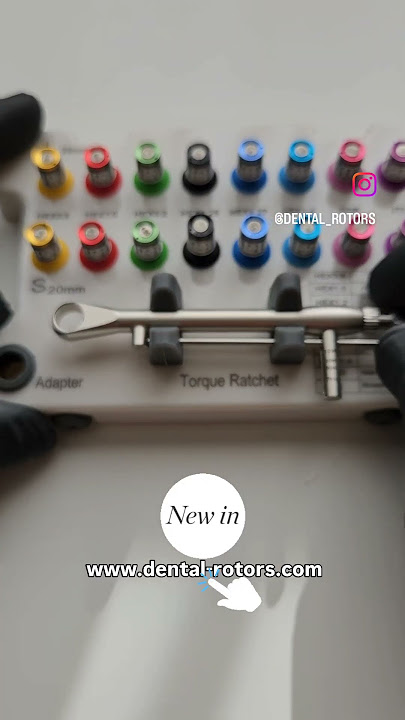
Dental turbines are essential instruments in modern dentistry, significantly enhancing the efficiency and effectiveness of dental procedures. They are designed to perform various tasks, including cavity preparation, polishing, and cutting through different types of dental materials. One crucial component that ensures their functionality is the cartridge, which houses the turbine’s cleaning and operational mechanics. Understanding the interplay between dental turbines and cartridges is vital for dental professionals aiming to optimize their practice. For a detailed overview of dental turbines, you can visit dental turbines and cartridges https://dental-rotors.com/product-category/turbines/rotors/.
The Role of Dental Turbines in Dentistry
Dental turbines are high-speed rotary instruments that utilize compressed air to create a fast-moving drill. These devices are paramount during various dental operations, providing dentists with the necessary power to perform intricate procedures with precision. The high-speed rotation allows for efficient cutting, reducing the time taken for treatments while minimizing patient discomfort. Their ergonomic designs also enhance usability, allowing dentists to maneuver easily within the oral cavity.
Types of Dental Turbines
There are primarily two types of dental turbines: air turbines and electric turbines. Air turbines are traditional instruments that depend on compressed air, while electric turbines utilize electric motors for their operation. Each type has its own advantages and disadvantages, and the choice often depends on the specific needs of the dental practice.
Air Turbines
Air turbines are popular for their lightweight design and impressive speed capabilities, often reaching up to 400,000 RPM. This high-speed capability enables dentists to efficiently cut through hard tooth structure without exerting significant pressure, thus reducing the risk of damaging dental tissue. However, air turbines can generate more noise and vibration, which some patients might find uncomfortable.
Electric Turbines
On the other hand, electric turbines tend to provide a more consistent torque and lower speeds, allowing for better control during procedures. These turbines are often favored for specific tasks, such as endodontics, where precision is paramount. However, their increased weight and reliance on electrical power might limit their applicability in some clinical settings.
Understanding Dental Cartridges
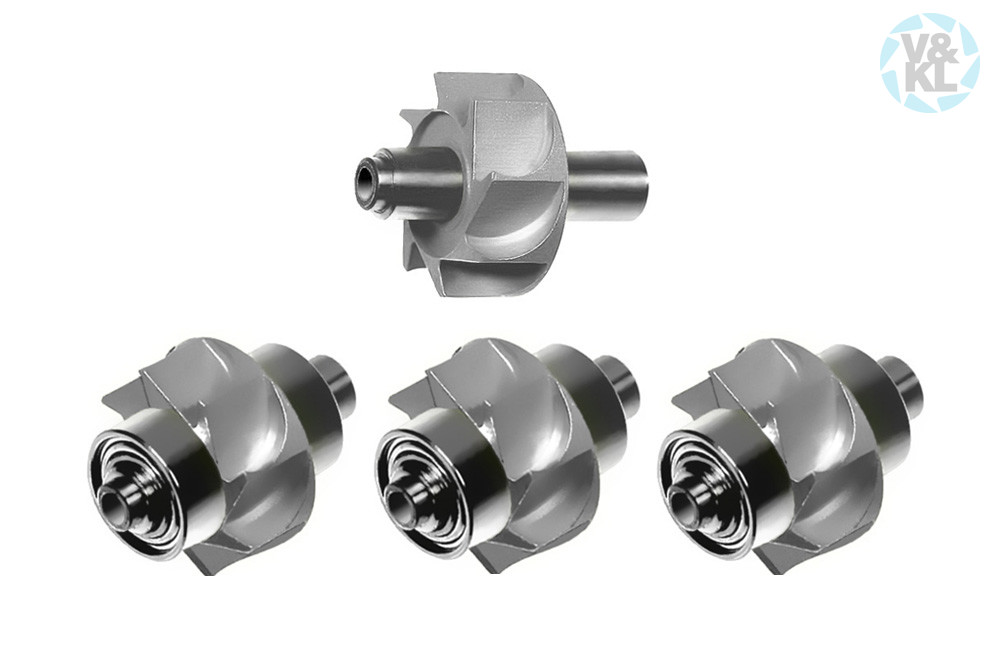
At the heart of each dental turbine’s functionality lies the cartridge. This small but vital component contains the intricate mechanisms that facilitate the turbine’s high-speed operation. Cartridges typically consist of a rotor, bearings, and other essential parts. Their design ensures that the turbine operates smoothly and with minimal friction, which is crucial for maintaining speed and efficiency.
Types of Dental Cartridges
Dental cartridges may differ based on the type of turbine they are compatible with. It’s crucial for dental professionals to select the correct cartridge for their specific turbine to ensure optimal performance and longevity.
Standard Cartridges
Standard cartridges are designed for basic dental turbines and are the most commonly used. They provide essential functions such as airflow control and operational consistency. Their straightforward design allows for easy replacement, which is essential for maintaining hygiene standards and ensuring the longevity of dental turbines.
Specialized Cartridges
Specialized cartridges cater to specific types of turbines or unique procedures. For instance, some cartridges are engineered for particular dental specialties, like surgery or restorative dentistry. These cartridges may feature enhanced bearing systems or added components to increase precision or durability, thus ensuring dental professionals can address various clinical scenarios without compromise.
Maintenance of Dental Turbines and Cartridges
Regular maintenance of dental turbines and cartridges is paramount for the longevity of these tools and the overall efficiency of dental practices. Proper care can prevent wear and tear, reduce the likelihood of failures during procedures, and ensure patient safety.
Cleaning Procedures
Following manufacturer guidelines for cleaning is essential. Most turbines can be cleaned with high-level disinfectants and should be sterilized between patients. Cartridges should also be cared for according to specific cleaning recommendations to prevent contamination and ensure optimal performance.
Regular Inspections
Dental practitioners should perform routine checks on their turbines and cartridges. Inspecting for wear and tear, ensuring that moving parts operate freely, and looking for signs of damage can prevent failures and ensure that instruments are always ready for patient care. Maintaining an inventory of spare cartridges can also help mitigate downtime during unexpected repairs or replacements.
Selecting the Right Dental Turbine and Cartridge
Choosing the correct turbine and cartridge combination involves considering specific clinical needs, patient demographics, and practice expectations. Several factors can influence this decision:
Clinical Application
Understanding the types of procedures most frequently performed in the practice informs the choice of turbine. For example, frequent restorative work might require high-speed air turbines, while endodontic procedures may benefit from electric turbines.
Patient Comfort
Considering patient comfort is essential when selecting a turbine. Some patients may have aversions to the noise and vibration of traditional air turbines. Alternatives like electric turbines may provide a quieter and more comfortable experience.
Budget Considerations
Dental turbines and cartridges come in a wide range of price points. While investing in high-quality equipment can yield long-term benefits, it’s essential to assess the budget constraints of the practice. Balancing cost with performance and reliability is critical for creating a sustainable practice.
Conclusion
Dental turbines and cartridges are invaluable components of modern dentistry, significantly impacting the efficiency, effectiveness, and comfort of dental services. Understanding their intricacies, maintenance needs, and proper selection is crucial for any dental practice aspiring to provide exceptional patient care. By investing in quality turbines and cartridges, dentists can enhance their operational efficiency while ensuring optimal patient outcomes.
Ultimately, the relationship between dental turbines and cartridges should not be underestimated. A well-functioning turbine with a quality cartridge can make a significant difference in clinical outcomes and patient satisfaction, reinforcing the importance of these components in today’s fast-paced dental environment.