

Forex Trading Explained
Forex trading, also known as foreign exchange trading, is the act of buying and selling currencies on the foreign exchange market with the aim of making a profit. This market is one of the largest financial markets globally, with a daily trading volume exceeding $6 trillion. In this guide, we will explore the intricacies of forex trading, providing a comprehensive understanding of its mechanisms, strategies, and analysis techniques. To enhance your trading journey, consider visiting forex trading explained FX Trading UZ for valuable resources and insights.
Understanding the Forex Market
The forex market is decentralized and operates 24 hours a day, five days a week. Transactions occur over-the-counter (OTC) through a network of banks, brokers, and individual traders. Unlike stock markets, forex does not have a physical location or a centralized exchange. Instead, it operates through a global network of financial institutions, which facilitates trading in different currencies.
Currency Pairs
Forex trading involves trading currency pairs, where one currency is exchanged for another. Each pair consists of a ‘base currency’ and a ‘quote currency.’ The base currency is the first currency listed in the pair, and the quote currency is the second. For example, in the currency pair EUR/USD, the euro (EUR) is the base currency, while the U.S. dollar (USD) is the quote currency. The price quoted indicates how much of the quote currency is needed to purchase one unit of the base currency.
Major, Minor, and Exotic Pairs
Currency pairs are classified into three categories: major, minor, and exotic pairs. Major pairs include the most traded currencies globally, such as the USD, EUR, JPY, and GBP. Minor pairs consist of currencies that are less commonly traded, such as the AUD (Australian Dollar) and NZD (New Zealand Dollar). Exotic pairs involve major currencies paired with those from emerging economies, like the USD/SGD (U.S. Dollar/Singapore Dollar).
Forex Trading Strategies
To succeed in forex trading, traders employ various strategies based on their risk tolerance, trading style, and market conditions. Some of the most common trading strategies include:
1. Scalping
Scalping is a short-term trading strategy aimed at making small profits from tiny price changes. Scalpers open and close multiple positions within a short period, often within minutes. This strategy requires quick decision-making and a reliable trading platform.
2. Day Trading
Day trading involves opening and closing positions within the same trading day to capitalize on short-term market movements. Day traders do not hold positions overnight to avoid potential losses from adverse price changes when the market is closed.
3. Swing Trading
Swing trading is a medium-term strategy that focuses on capturing price swings over several days or weeks. Traders analyze price patterns and technical indicators to identify entry and exit points for their trades.
4. Position Trading
Position trading is a long-term strategy where traders hold onto their positions for weeks, months, or even years. This approach relies more on fundamental analysis and macroeconomic factors than on short-term price movements.
Technical and Fundamental Analysis
Successful forex trading relies heavily on analysis to predict market movements. There are two primary types of analysis: technical and fundamental.
Technical Analysis
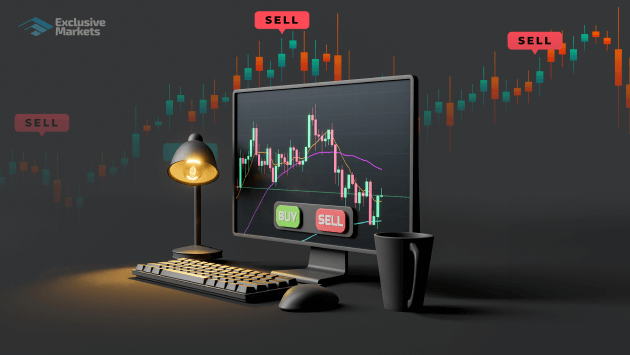
Technical analysis involves analyzing price charts and using various indicators to identify market trends and potential reversal points. Traders study historical price data, chart patterns, and technical indicators like moving averages, RSI (Relative Strength Index), and Fibonacci retracements to make informed decisions.
Fundamental Analysis
Fundamental analysis focuses on economic indicators, geopolitical events, and other factors affecting currency values. Traders analyze data such as interest rates, inflation rates, employment figures, and economic growth to assess the strength and stability of a country’s economy and its currency.
Risk Management in Forex Trading
Managing risk is crucial in forex trading, as the market can be highly volatile. Implementing a robust risk management strategy helps protect capital and optimize trading performance. Here are some key components of effective risk management:
1. Set Stop-Loss Orders
A stop-loss order is a predetermined price point at which a trader will exit a losing trade. Setting stop-loss orders helps limit potential losses and prevent emotional decision-making.
2. Use Position Sizing
Determining the appropriate position size based on account size and risk tolerance is vital. Traders should risk only a small percentage of their capital on each trade to ensure they can withstand a series of losing trades.
3. Diversification
Diversifying trading positions across different currency pairs can help spread risk and reduce the impact of volatility on any single trade.
Choosing a Forex Broker
Selecting a reliable forex broker is essential to ensure a smooth trading experience. When choosing a broker, consider the following factors:
1. Regulation
Make sure the broker is regulated by a recognized financial authority to ensure the safety of your funds and fair trading practices.
2. Trading Platforms
Evaluate the trading platform’s features, user interface, and tools available for technical analysis and order execution.
3. Spreads and Fees
Compare the spreads (the difference between the buying and selling price) and any additional fees charged by the broker. Lower spreads can lead to higher profits.
4. Customer Support
Excellent customer support is vital when dealing with issues or inquiries. Choose a broker that offers responsive customer service through various channels.
Conclusion
Forex trading offers significant potential for profit, but it also carries considerable risk. Understanding the fundamentals of the market, employing sound trading strategies, conducting thorough analysis, and practicing effective risk management are essential components of successful trading. With the right knowledge and tools, traders can navigate the complexities of forex trading and work towards achieving their financial goals.