
If left untreated, a person in this stage faces life-threatening consequences, making it crucial to seek emergency assistance. While many believe that coffee or a cold shower can sober someone up, the truth is that only time can effectively reduce blood alcohol concentration. However, drinking water and consuming foods rich in protein and carbohydrates can help alleviate some symptoms of intoxication by hydrating the body and stabilizing blood sugar levels. While being tipsy might feel pleasant and manageable, it’s essential to recognise the risks of progressing to a level of alcohol intoxication.
Speak to addiction Specialist 100% Free and Confidential
For example, this could mean that we find ourselves doing things we wouldn’t normally do, such as driving drunk, getting into arguments or fighting with people we care about. Blood alcohol concentration (BAC) measures the amount of alcohol in the blood and is shown as a percentage. An example of when your BAC is typically measured is when a police officer suspects you’re driving under the influence. If you continue to drink, the effects will become more pronounced, leading to drunkenness and potentially more severe buzzed vs tipsy impairment. Understanding the natural language that drinkers use to describe intoxicated states can provide critical insight into subjective perceptions of intoxicated states, particularly among specific groups such as college students.
- The combination of mental fog and physical impairment increases the risk of injury or dangerous behavior, as the individual may not realize their own limitations or the hazards around them.
- Yes, there are different legal consequences for being drunk versus being tipsy.
- The body’s ability to regulate essential functions, like temperature and breathing, starts to falter, posing a significant threat to the individual’s health.
- Most people are aware of their control over themselves and try to keep it that way.
- However, if your impairment is noticeable and disturbs others or creates danger, you receive a citation.
Why do some people seem to get tipsy or drunk faster on an empty stomach?
Factors like age, weight, sex, metabolism, tolerance, metabolism, medications, and rate of consumption influence how a single drink affects our BAC. For instance, smaller people or those with a faster drinking pace may reach higher BAC levels more quickly. As our blood alcohol concentration (BAC) increases with more drinking, the depressant effects become more pronounced. This leads to more noticeable cognitive and physical impairment — the transition from being tipsy to drunk.
In some cases, their body temperature may plummet, leading to hypothermia, which can cause organ failure. Additionally, the risk of respiratory failure increases as the person’s breathing may become extremely shallow or stop entirely. Without immediate medical intervention, the person is at serious risk of slipping into a coma or dying. When it comes to consuming alcohol, it’s crucial to understand the differences between being buzzed and being drunk.
These effects contrast sharply with cannabis intoxication, as detailed in this comparison of alcohol and cannabis effects. The first recorded alcoholic beverage dates back as early as 7000 B.C.—and they have alcoholism symptoms been consistently part of social gatherings since then. While partaking in alcohol may seem like a harmless bit of fun, a person must always be mindful of how much they have consumed.
Don’t chase your buzz
Whether you’re tipsy, drunk, or somewhere in between, you are in control of your own life. With support, encouragement, and a focus on mindfulness, we can take control of our drinking habits and be the person we want to be. As we mentioned earlier, many factors contribute to how many drinks it takes to reach intoxication. But, to be classed as legally impaired (intoxicated enough not to be lawfully allowed to drive a car), it’s roughly consuming 3 drinks in the space of an hour for a man and 1 to 2 drinks for a woman.
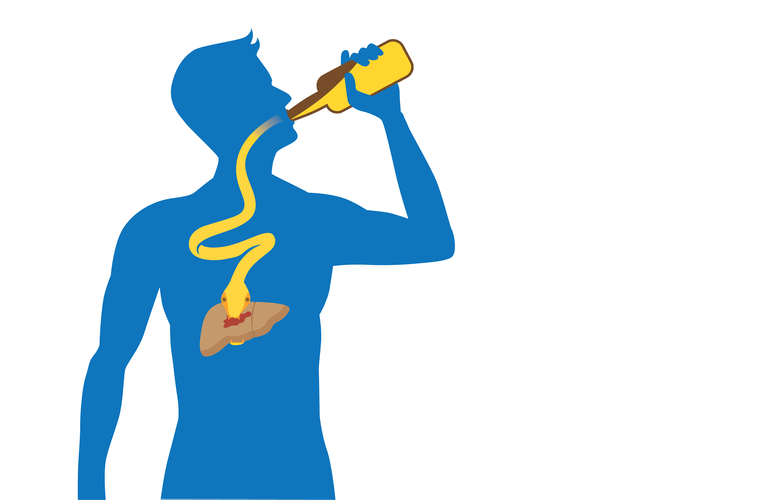
Journey to the Center of the Body
But as the evening rolls on and the drinks keep coming, you start to feel heavy. It’s harder to stand and walk, and you find yourself acting in some uncharacteristic ways. This shift from a tipsy buzz to the more intense sensation of being drunk is subtle yet significant with major implications. When you are drunk, your BAC is higher than this, typically sitting at around 0.08% or more.
This means that DUI counseling programs can no longer be used as a “get out of jail free” card for those charged with a DUI. Ignition interlocks have been found to be effective in lowering the number of repeat DUI offenses, even after the device is removed. Also, the general public is in favor of IIDs for all convicted drunk drivers, with over 75% indicating their support of the device. This new law https://ecosoberhouse.com/ is a huge step forward in trying to minimize and hopefully eliminate DUI offenses. For additional information about Connecticut’s drunk driving laws, please visit /dmv and for additional information about the ignition interlocks, please visit /interlock.
Most people are aware of their control over themselves and try to keep it that way. If you keep drinking water along with your drinks, the brain doesn’t get too dehydrated. If you stop at the right time, you can prevent being drunk and all the embarrassment that accompanies the act.
- It is characterized by a slight euphoria, reduced inhibitions, and a noticeable but moderate alteration of perception.
- Indeed, at a BAC of .45 or above, you are probably going to die from alcohol poisoning.
- You’ll meet millions of fellow Reframers in our 24/7 Forum chat and daily Zoom check-in meetings.
- Without food to slow down the digestive process, alcohol moves quickly into the small intestine, where it’s absorbed faster than in the stomach.
- Before we can look at different levels of drunkenness — buzzed vs. tipsy vs. drunk — it’s important to understand how alcohol makes us intoxicated in the first place.
- The severity of this fog increases with higher blood alcohol concentration.
- Being tipsy is generally considered a mild and temporary state, but it doesn’t take many alcoholic drinks to reach this level.
- « We found that self-use of terms differed for moderate versus heavy intoxication levels, and that women tended to use moderate terms, whereas men used heavy terms. The current study extends this previous work. »
- Excerpts and links may be used, provided that full and clear credit is given to Marisa Auguste and driversbehavingbadly.blog with appropriate and specific direction to the original content.
When someone is buzzed, they may experience heightened sociability and increased confidence. Physical symptoms can include a relaxed feeling, slight impairment in coordination, and a slight decline in reaction time. When a person consumes alcohol beyond the recommended limits for social drinking, they enter the stage of being drunk, where both physical and mental impairments become increasingly evident.
The prolonged effects of excessive alcohol consumption extend to addiction development, significant health deterioration, and various social problems. Regular heavy drinking damages vital organs, including the heart, liver, and brain. Frequent intoxication strains personal relationships, decreases performance at work or in academic settings, and results in legal consequences. Understanding alcohol’s risks and recognizing the signs of excessive intoxication are essential steps toward responsible consumption and maintaining overall well-being.
Being tipsy is generally considered a mild and temporary state, but it doesn’t take many alcoholic drinks to reach this level. Although it will depend on personal factors (such as weight and gender), generally speaking, you only need one or two drinks within an hour to feel tipsy. It’s the tipsy stage where you start to feel the initial effects of drinking. This stage happens when alcohol begins to affect your central nervous system but not enough to cause major impairment.